Recognizing the Inclusion of Audio Visual Innovation in Today's Educational Environments
The assimilation of audio-visual innovation in educational settings has transformed the teaching and discovering procedure. Educators now have accessibility to devices that deal with various discovering designs, enhancing trainee involvement and collaboration. Nevertheless, the unification of these modern technologies provides both possibilities and challenges. Understanding how to properly apply these devices is necessary. What strategies can teachers employ to maximize the benefits of audio-visual technology in their classrooms?
The Development of Audio-Visual Innovation in Education And Learning
As instructional demands evolved over the decades, audio-visual modern technology underwent significant changes that reshaped the knowing atmosphere. At first, tools such as movie projectors and slide programs were the main means of incorporating visual elements right into classrooms. These very early technologies supplied educators with the capacity to existing information dynamically, yet they were limited in ease of access and interactivity.
With the introduction of videotape recorder in the 1970s, classrooms began to include taped lessons, expanding the extent of instructional sources. The introduction of personal computer systems in the 1980s further revolutionized this landscape, allowing for the creation of multimedia discussions and interactive discovering experiences.
The rise of the internet in the 1990s noted a zero hour, enabling real-time accessibility to a wide range of audio-visual materials. Today, electronic tools such as interactive white boards and on the internet knowing platforms continue to improve the educational experience, cultivating involvement and cooperation among students.
Benefits of Audio-Visual Tools for Diverse Learning Styles
Audio-visual devices play a crucial function in providing to diverse discovering styles by improving visual learning and enhancing acoustic involvement. By including pictures, video clips, and sound, these modern technologies create a more comprehensive instructional atmosphere. This diverse strategy allows teachers to resolve the diverse preferences and requirements of pupils properly.
Enhancing Visual Knowing
Involvement in the understanding process is substantially enhanced via the usage of audio-visual tools, providing to various discovering designs. These tools, such as videos, infographics, and interactive presentations, offer aesthetic stimulations that assist comprehension and retention. Aesthetic students, particularly, advantage from the incorporation of images and computer animations, which can simplify complicated ideas and improve understanding. Furthermore, audio-visual resources can illustrate real-world applications, making discovering more appropriate and engaging. By integrating color, motion, and audio, teachers can produce a dynamic discovering atmosphere that captures students' attention and fosters much deeper cognitive links. Inevitably, the calculated usage of audio-visual technology not only sustains aesthetic discovering however also improves the total academic experience for diverse students.
Improving Auditory Interaction
A substantial advantage of incorporating audio-visual tools in education is their capacity to improve auditory interaction among pupils. These devices, which encompass multimedia discussions, podcasts, and interactive sound elements, accommodate various discovering styles, particularly profiting auditory students (audio visual charlotte nc). By integrating audio and narration, instructors can produce immersive experiences that catch pupils' focus and enhance understanding. This involvement is important, as it cultivates a deeper understanding of the product and promotes retention. Furthermore, audio-visual devices can promote collective understanding environments, motivating pupils to get involved in discussions and share their insights. Inevitably, the consolidation of audio-visual modern technology not only supports auditory involvement however likewise improves the general instructional experience, making discovering more dynamic and effective for all pupils
Enhancing Interaction Via Interactive Discovering

Gamification aspects, such as quizzes and simulations, can enhance inspiration and retention, making finding out more satisfying and efficient. These techniques not just promote cognitive involvement yet likewise satisfy varied knowing designs, making sure that all students can take part meaningfully. Because of this, interactive knowing settings foster a feeling of community and belonging, eventually leading to enhanced academic results. Through the combination of audio visual modern technology, educators can transform standard classrooms right into vibrant areas where pupils flourish and actively form their educational journeys.
Linking Theory and Method With Multimedia Resources
Multimedia resources act as a crucial link between theoretical ideas and practical application in academic settings. By boosting involvement, promoting collaborative discovering experiences, and sustaining diverse knowing designs, these devices develop a more comprehensive and vibrant learning atmosphere - audio visual charlotte nc. This strategy not only fosters deeper understanding however additionally prepares pupils for real-world challenges

Enhancing Involvement Via Multimedia
Involvement in educational settings greatly enhances when trainers include multimedia sources right into their training techniques. Making use of video clips, podcasts, and interactive presentations enhances the finding out experience, enabling pupils to link with the product on numerous levels. Multimedia resources cater to different finding out designs, providing aesthetic, auditory, and kinesthetic stimuli that can hold students' focus better than standard lecture techniques. In addition, these resources can simplify complicated concepts, making them a lot more easily accessible and unforgettable. By integrating multimedia, instructors can produce a dynamic classroom environment that fosters interest and encourages learners. Inevitably, the calculated use of audio-visual technology offers to link the void in between academic knowledge and functional application, improving the academic experience for both instructors and students.
Helping With Collaborative Learning Experiences
Countless studies show that collective learning experiences noticeably enhance trainee outcomes when integrated with multimedia sources. Multimedia tools facilitate interaction among trainees, permitting them to participate in analytical and crucial believing jointly. By utilizing video clip conferencing, joint platforms, and interactive presentations, teachers develop environments for synergy and shared knowing. These innovations make it possible for students to communicate their ideas successfully and receive instant responses, fostering a deeper understanding of the topic. In enhancement, multimedia resources can present intricate concepts in more absorbable formats, promoting conversation and partnership. As a result, the combination of collective discovering and audio-visual innovation not only enriches the educational experience yet also prepares pupils for real-world team effort dynamics, stressing the value of collaboration and collective expertise building and construction.
Supporting Diverse Knowing Styles
While standard teaching techniques typically provide to website a restricted variety of finding out preferences, the integration of audio-visual modern technology offers a much more comprehensive approach to education. By using multimedia sources such as video clips, interactive simulations, and digital discussions, educators can deal with various learning styles, consisting of aesthetic, acoustic, and kinesthetic. This flexibility permits set apart direction, enabling trainees to involve with web content in manner ins which reverberate with their individual preferences. Furthermore, audio-visual devices can help with deeper understanding by giving multiple depictions of complicated principles. Consequently, pupils that might battle with standard methods can discover alternative pathways to success, cultivating a more equitable discovering environment that supports scholastic accomplishment for all students.
Difficulties in Carrying Out Audio-Visual Innovation
Although audio-visual modern technology holds wonderful guarantee for enhancing educational experiences, its implementation frequently runs into significant challenges. One main problem is the economic burden related to acquiring and maintaining such equipment, which can stress budget plans, particularly in underfunded organizations. Additionally, inadequate training for instructors can prevent efficient integration, leaving them ill-prepared to use the technology fully. Technical problems, such as software malfunctions and compatibility issues, may likewise interfere with lessons and frustrate both educators and trainees. Moreover, varying degrees of trainee accessibility to innovation outside the class can produce variations in learning opportunities. The capacity for over-reliance on innovation might detract from important training methods, ultimately restricting the instructional experience. Attending to these difficulties needs a detailed method, consisting of appropriate funding, professional development, and fair accessibility to resources, to guarantee that audio-visual technology can be leveraged properly in today's instructional settings.
Finest Practices for Integrating Modern Technology in the Classroom
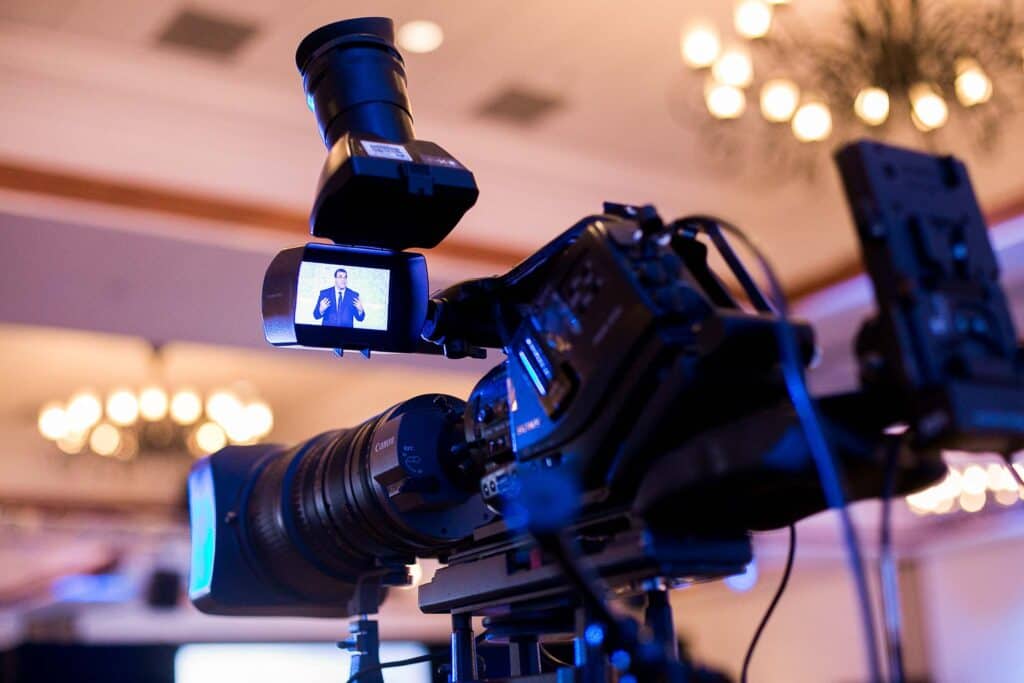
Additionally, cultivating an interactive environment through collective tools urges trainee interaction and involvement. Utilizing varied audio-visual resources deals with various discovering designs, fitting aesthetic, acoustic, and kinesthetic learners. Regularly reviewing the effect of innovation on trainee learning aids instructors fine-tune their approaches and adapt to altering requirements. Finally, including trainees in the selection of modern technology promotes possession and motivation. By adhering to these ideal practices, teachers can develop a vibrant classroom environment that properly incorporates innovation and enhances the educational experience for all pupils.
The Future of Audio-Visual Technology in Education And Learning
As classrooms significantly embrace innovation, the landscape of audio-visual devices in education and learning proceeds to develop (audio visual charlotte nc). Future innovations are expected to concentrate on better interactivity and customization, allowing teachers to tailor finding out experiences to specific student demands. Developments such as enhanced truth (AR) and digital fact (VIRTUAL REALITY) will likely give immersive learning atmospheres, enhancing pupil interaction and understanding
Moreover, expert system (AI) is poised to play a substantial duty in audio-visual modern technology by supplying real-time responses and flexible understanding paths. This integration may assist educators identify and address student obstacles better. Cloud-based platforms will certainly assist in simpler access to resources and cooperation amongst students and educators, no matter place.
In addition to these technical breakthroughs, expert development for instructors will be vital, guaranteeing they are outfitted to use these tools properly. Generally, the future of audio-visual innovation in education and learning guarantees to produce even more vibrant, comprehensive, and impactful understanding experiences.
Frequently Asked Inquiries
Just How Can Teachers Choose the Right Audio-Visual Devices for Their Classrooms?
Selecting proper audio-visual devices requires teachers to analyze their educational goals, consider student needs, review available modern technology, and look for recommendations from peers or specialists, making sure devices efficiently boost learning and interaction within their certain class atmosphere.
What Spending plan Considerations Are There for Executing Audio-Visual Modern Technology?
Budget considerations for carrying out audio-visual modern technology consist of initial acquisition costs, maintenance expenditures, training for team, and potential software program licensing charges. Furthermore, long-lasting investment in updates and replacements ought to also be factored into financial planning.
Are There Specific Training Resources for Teachers on Audio-Visual Tools?
Many organizations supply training resources for instructors on audio-visual devices, consisting of on-line training courses, workshops, and educational overviews. These sources intend to improve teachers' skills and confidence in efficiently integrating modern technology right into their training methods.
Exactly how Do We Measure the Effectiveness of Audio-Visual Technology in Learning?
Gauging the effectiveness of audio-visual technology in learning entails reviewing trainee interaction, comprehension, retention prices, and total academic performance. Surveys, analyses, and empirical studies can provide important insights right into its effect on instructional results.
What Prevail False Impressions About Audio-Visual Innovation in Education?
Common misunderstandings concerning audio-visual modern technology in education include the belief that it guarantees engagement and discovering results, as well as the presumption that all trainees profit similarly, neglecting specific discovering choices and requirements.